From Field to Fuel: Raw Materials
The foundation of sustainable fuel production is the careful sourcing and preparation of raw biomass materials. Discover the process from collection to storage.

1. Responsible Sourcing
We begin by responsibly sourcing a variety of agricultural and forestry residues, including wood waste, crop stalks, and sawdust. This utilizes waste streams and reduces reliance on new resources.
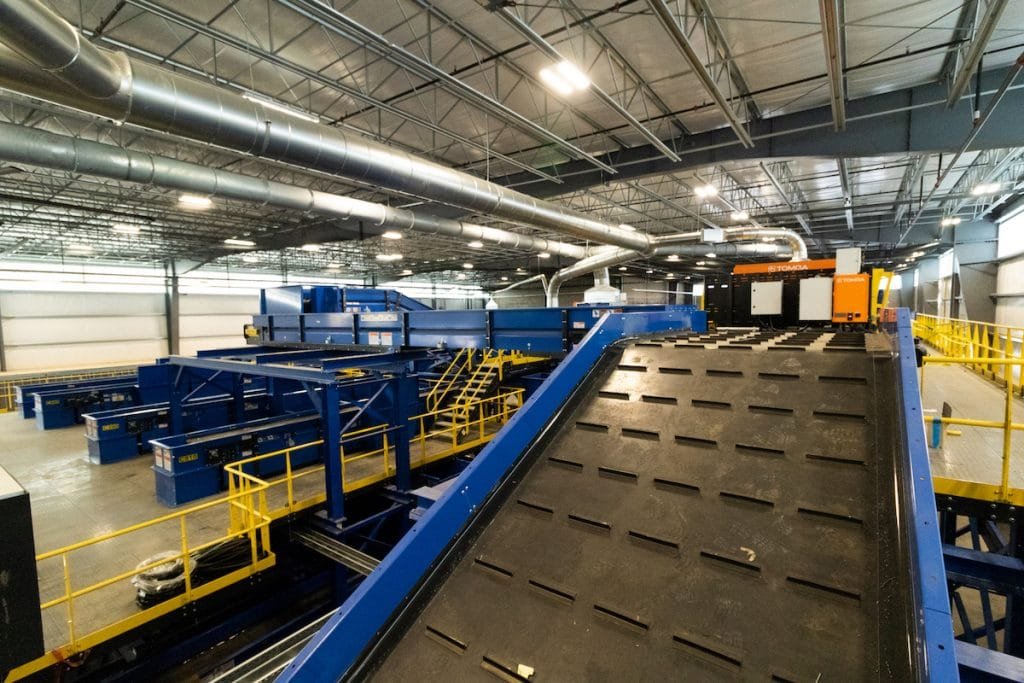
2. Sorting and Initial Processing
Once collected, the raw materials are carefully sorted to remove impurities such as rocks and metals. This ensures a clean feedstock and protects the processing machinery from damage.
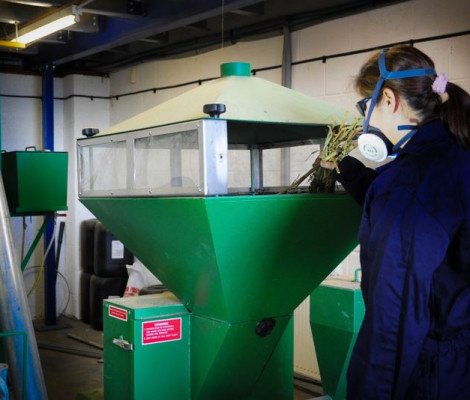
3. Size Reduction
The clean biomass is then fed through a chipper or grinder to reduce it to a uniform size. This step is essential for optimizing the efficiency of subsequent processes like briquetting or pelletizing.

4. Controlled Storage
After size reduction, the materials are stored in controlled environments to maintain a consistent moisture content. Proper storage ensures the quality and readiness of the raw materials for future production.
Why Is Proper Raw Material Management Crucial?
Effective handling of raw materials is vital for ensuring high-quality final products and a sustainable production chain.
Enhanced Sustainability
Utilizing waste streams as raw materials reduces landfill waste and contributes to a more circular, eco-friendly production model.
Improved Production Efficiency
A consistent and clean feedstock minimizes equipment wear, reduces downtime, and ensures a stable output of finished products.
Cost Reduction
Sourcing from agricultural and industrial waste often provides a more cost-effective supply chain than using virgin resources, leading to lower production costs.