From Waste to Energy: Pellets
Bio-pellets are a densified, sustainable fuel source made from compressed biomass. Discover their manufacturing journey and environmental benefits.
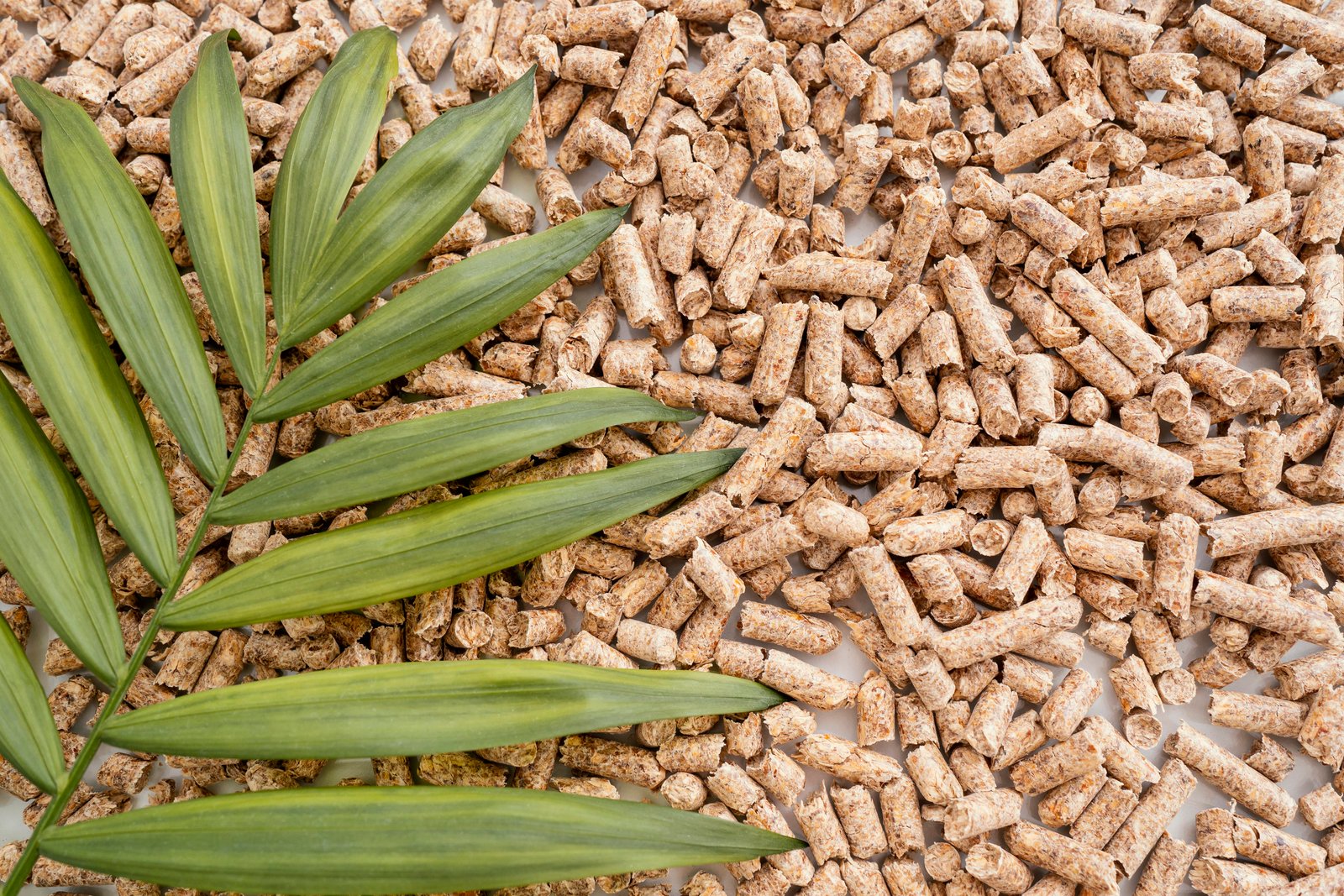
1. Sourcing and Drying
The process starts by collecting wood waste and other biomass. This material is then dried to a low moisture content, which is essential for efficient combustion and a stable final product.
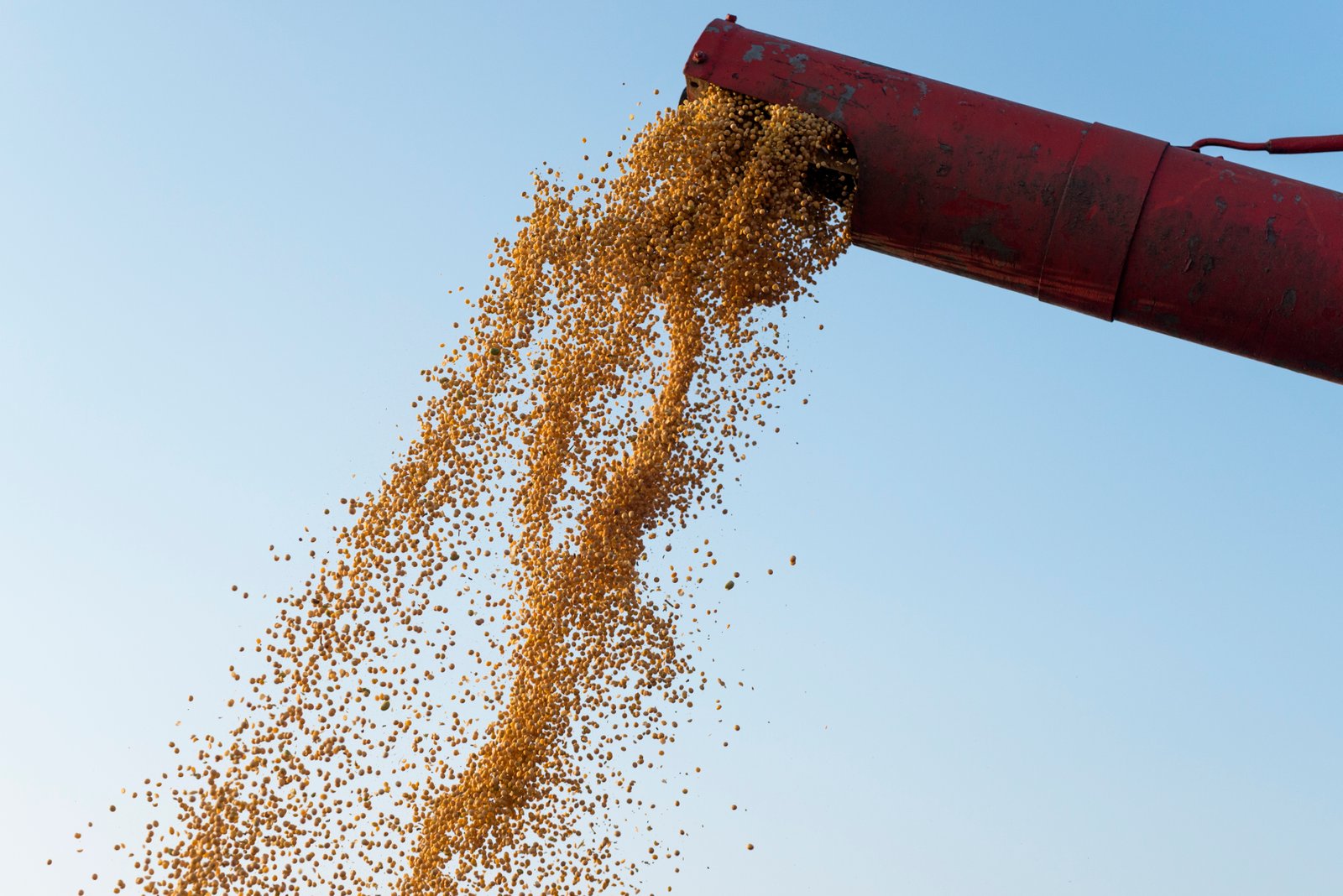
2. Crushing into Fine Particles
The dried biomass is ground into a fine, uniform powder. This fine consistency is critical for allowing the material to be pressed tightly, creating a consistent and energy-rich pellet.
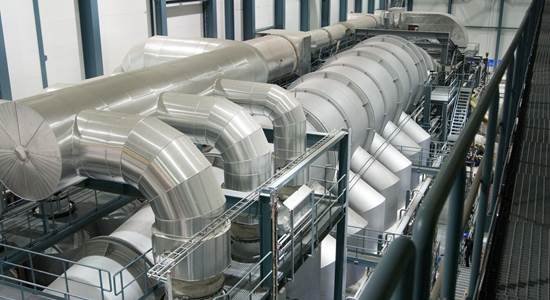
3. The Pelletizing Process
The fine powder is fed into a pellet mill, where it is extruded through a die under high pressure. The natural lignin heats up and binds the particles, forming solid, uniform cylindrical pellets.
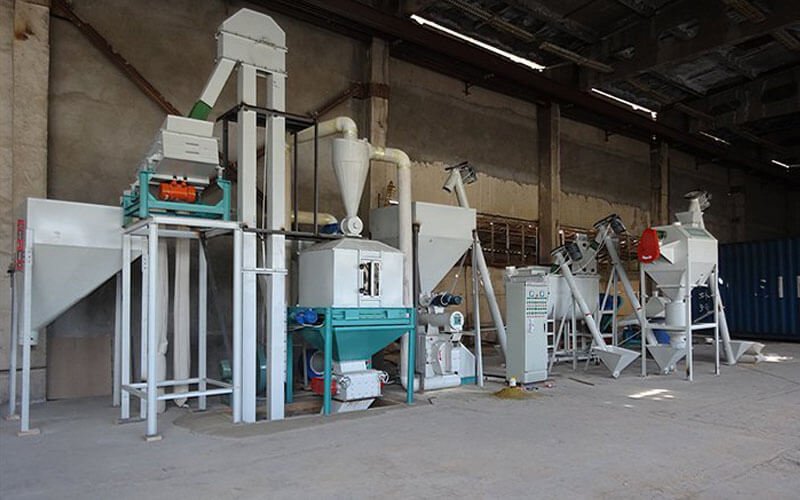
4. Cooling and Final Product
Once formed, the pellets are cooled to harden the lignin bond. They are then screened to remove any fines before being packaged for distribution, ensuring a clean, ready-to-use product.
Why Are Pellets So Useful?
As a modern fuel, pellets offer an efficient and environmentally sound alternative to traditional energy sources.
High Efficiency
Pellets have a very low moisture and ash content, leading to a much higher combustion efficiency and consistent heat output compared to raw biomass.
Renewable and Sustainable
Made from industrial wood waste, pellets promote forest health and reduce landfill waste, contributing to a circular economy and lower carbon emissions.
Easy to Handle and Store
The uniform size and high density of pellets make them easy to transport, store in bulk, and use in automated heating systems, reducing manual labor.