From Gas to Power: Compressed Natural Gas (CNG)
Compressed Natural Gas (CNG) is a versatile and cleaner-burning alternative fuel. Learn about its production process and why it's a valuable energy source.
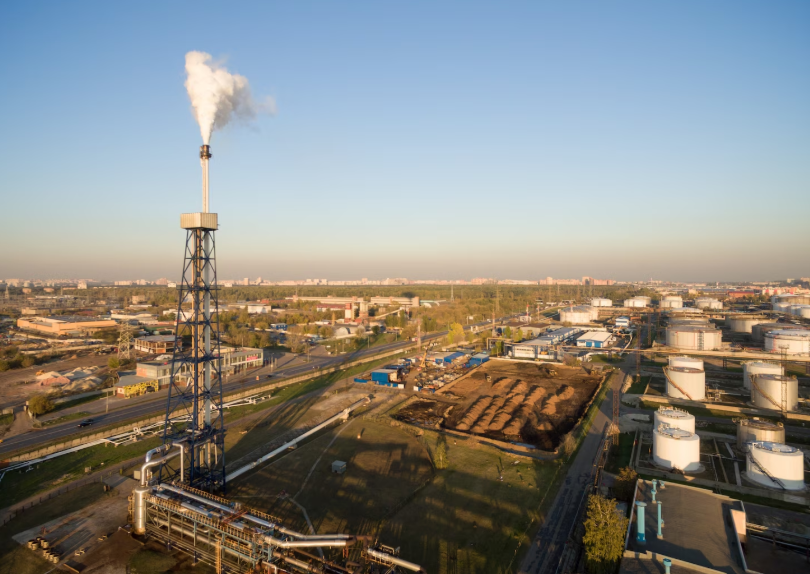
1. Sourcing Natural Gas
The process begins with the extraction of natural gas from underground reservoirs. The gas is primarily composed of methane and is a naturally occurring fossil fuel.
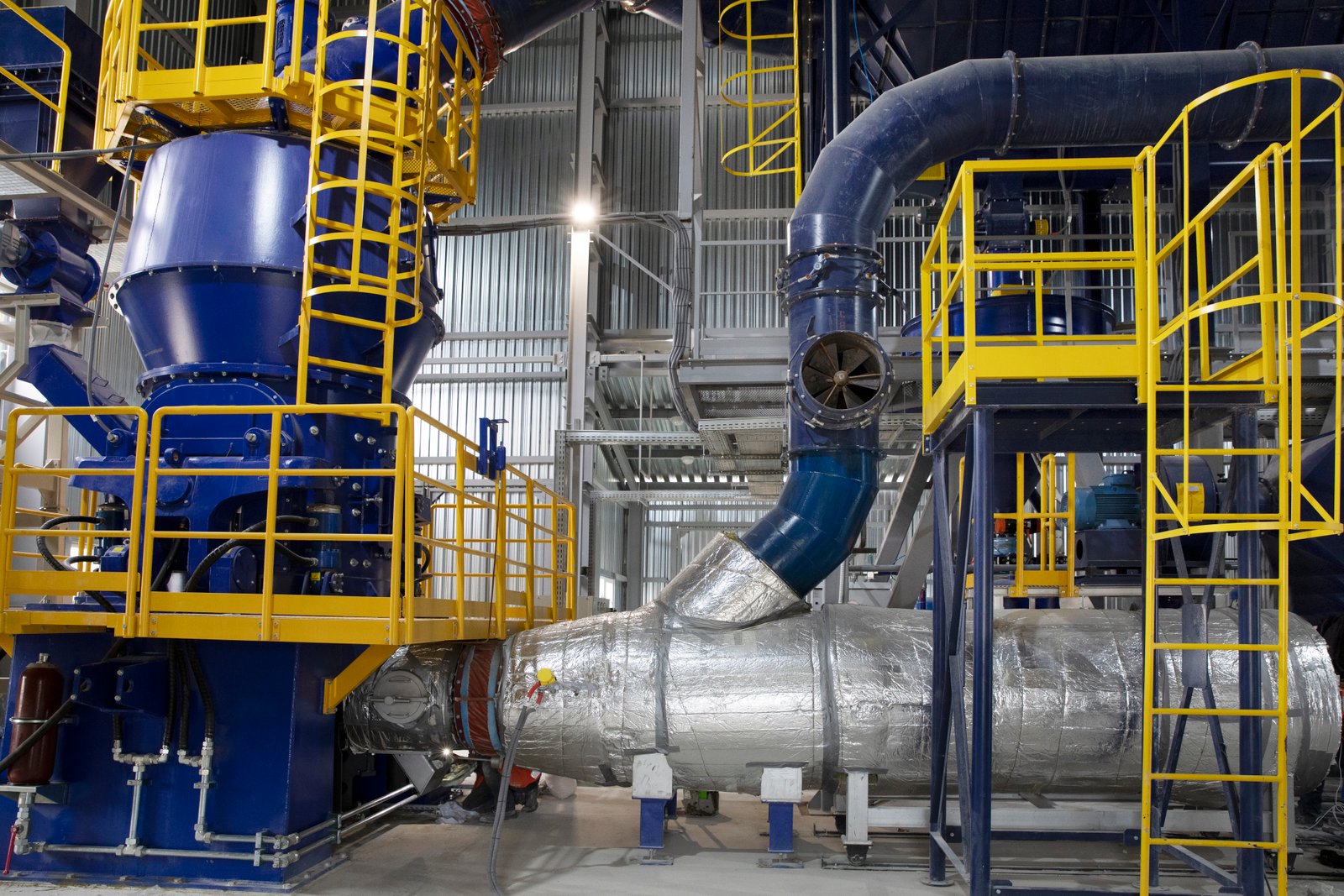
2. Purification and Drying
The raw gas is purified to remove impurities such as water vapor, hydrogen sulfide, and carbon dioxide. This cleaning process is crucial for preventing corrosion in storage tanks and for achieving a high-quality fuel.
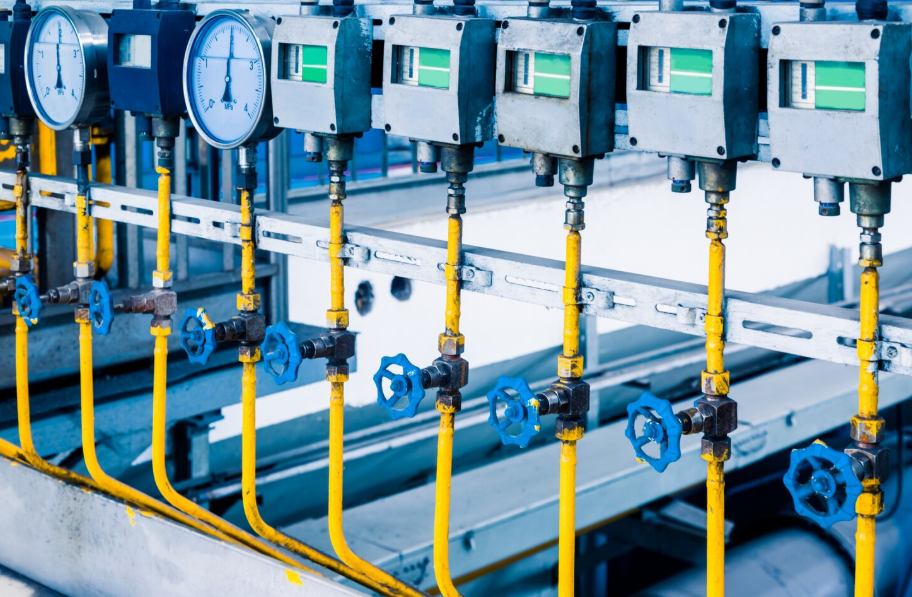
3. The Compression Process
The purified natural gas is compressed to a high pressure (typically 20-25 MPa) in a series of stages. This reduces its volume, making it suitable for storage in cylinders and transportation.
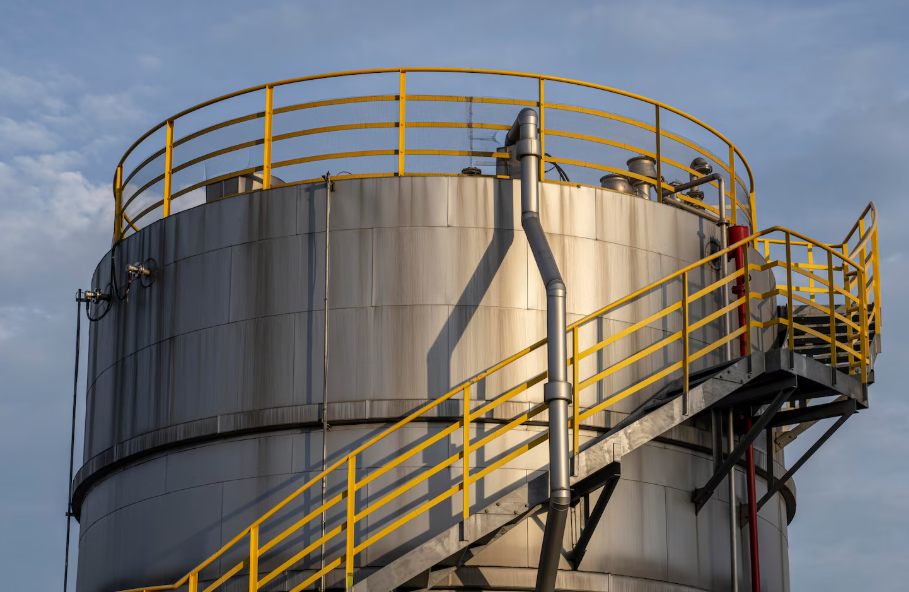
4. Storage and Final Product
The high-pressure CNG is stored in strong, cylindrical containers at refueling stations or on vehicles. It is then ready to be dispensed as a clean, efficient fuel for a variety of uses, from vehicles to industrial applications.
Why Is CNG So Useful?
CNG offers a range of benefits that make it a compelling alternative to traditional fuels.
Economical and Efficient
CNG is often more affordable than gasoline or diesel, and its high octane rating leads to efficient engine performance and lower maintenance costs.
Environmentally Friendly
CNG burns cleaner than traditional fuels, producing significantly less nitrogen oxides, sulfur oxides, and particulate matter, which helps reduce air pollution.
Safety and Reliability
CNG is lighter than air, so it dissipates quickly in case of a leak. Its high ignition temperature and narrow flammability range make it a safer fuel source.