From Waste to Energy: Briquettes
Briquettes are a clean and efficient fuel source made from compressed biomass waste. Learn about their journey from raw material to a sustainable energy solution.
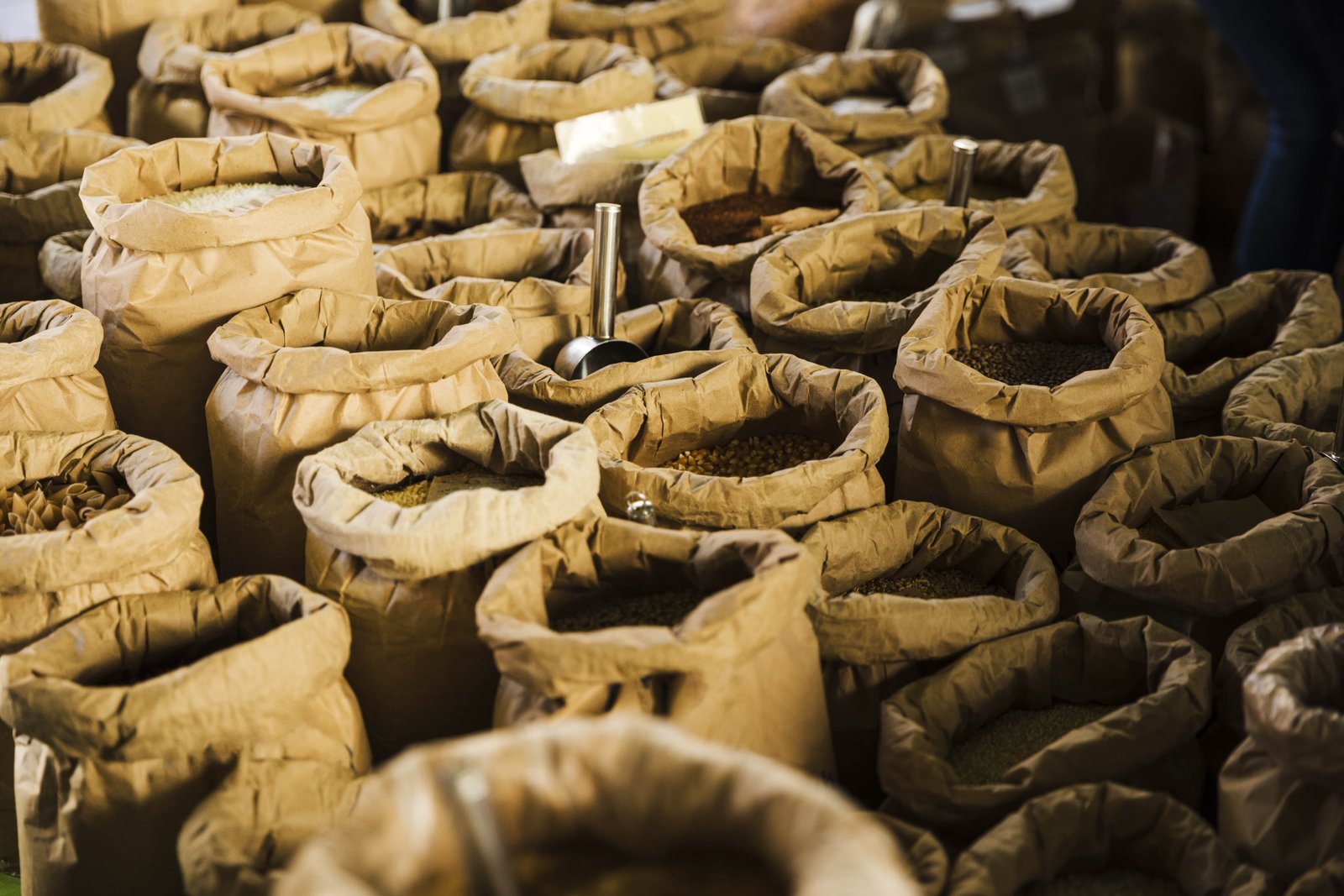
1. Sourcing Raw Materials
The process begins by collecting agricultural and forestry waste, such as sawdust, rice husks, bagasse, and crop stalks. Utilizing this waste helps reduce landfill volume and turns a byproduct into a valuable resource.
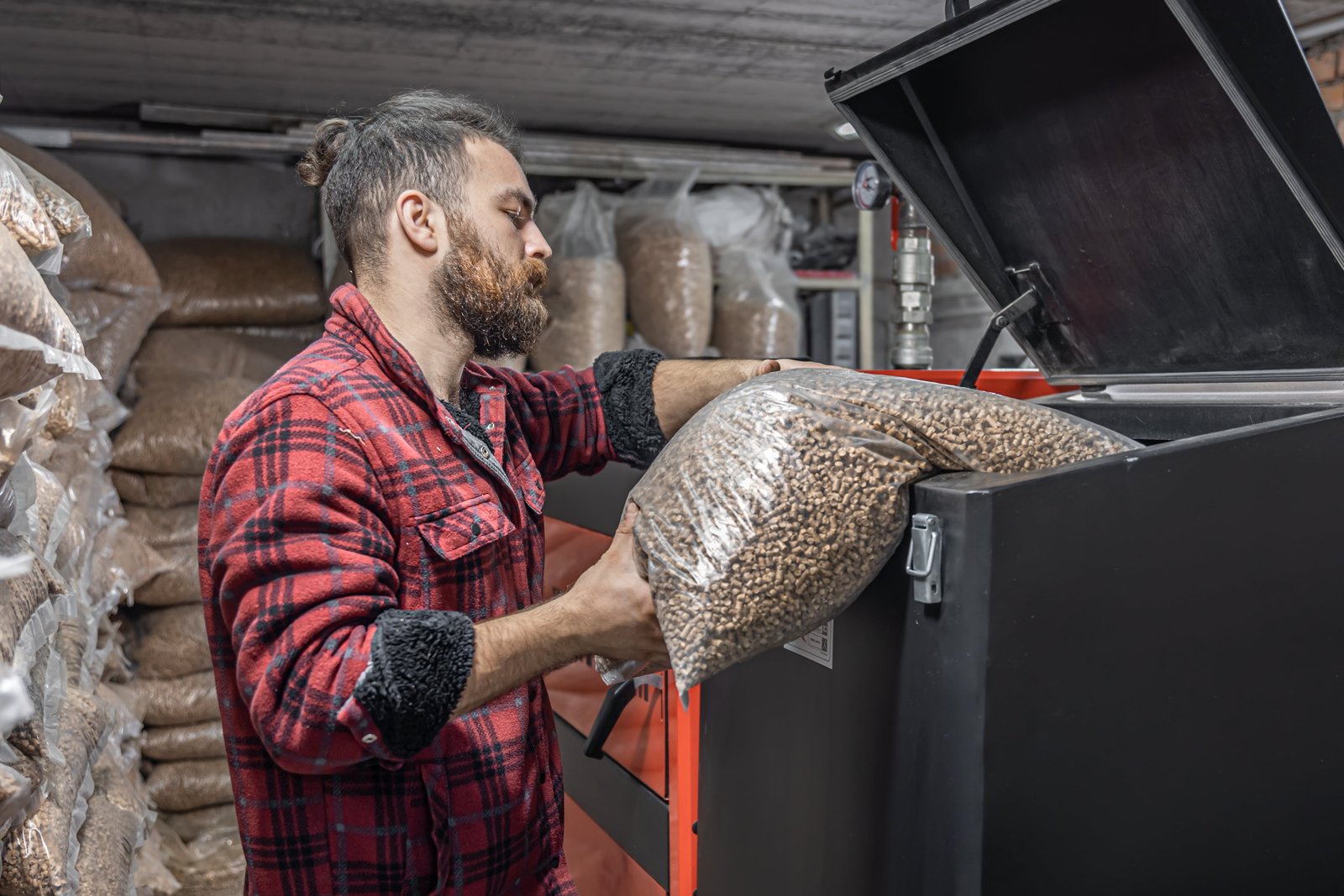
2. Crushing and Compacting
The raw biomass is then crushed and ground into a uniform size. This step is crucial for ensuring the material can be properly compacted into dense, durable briquettes without the need for chemical binders.
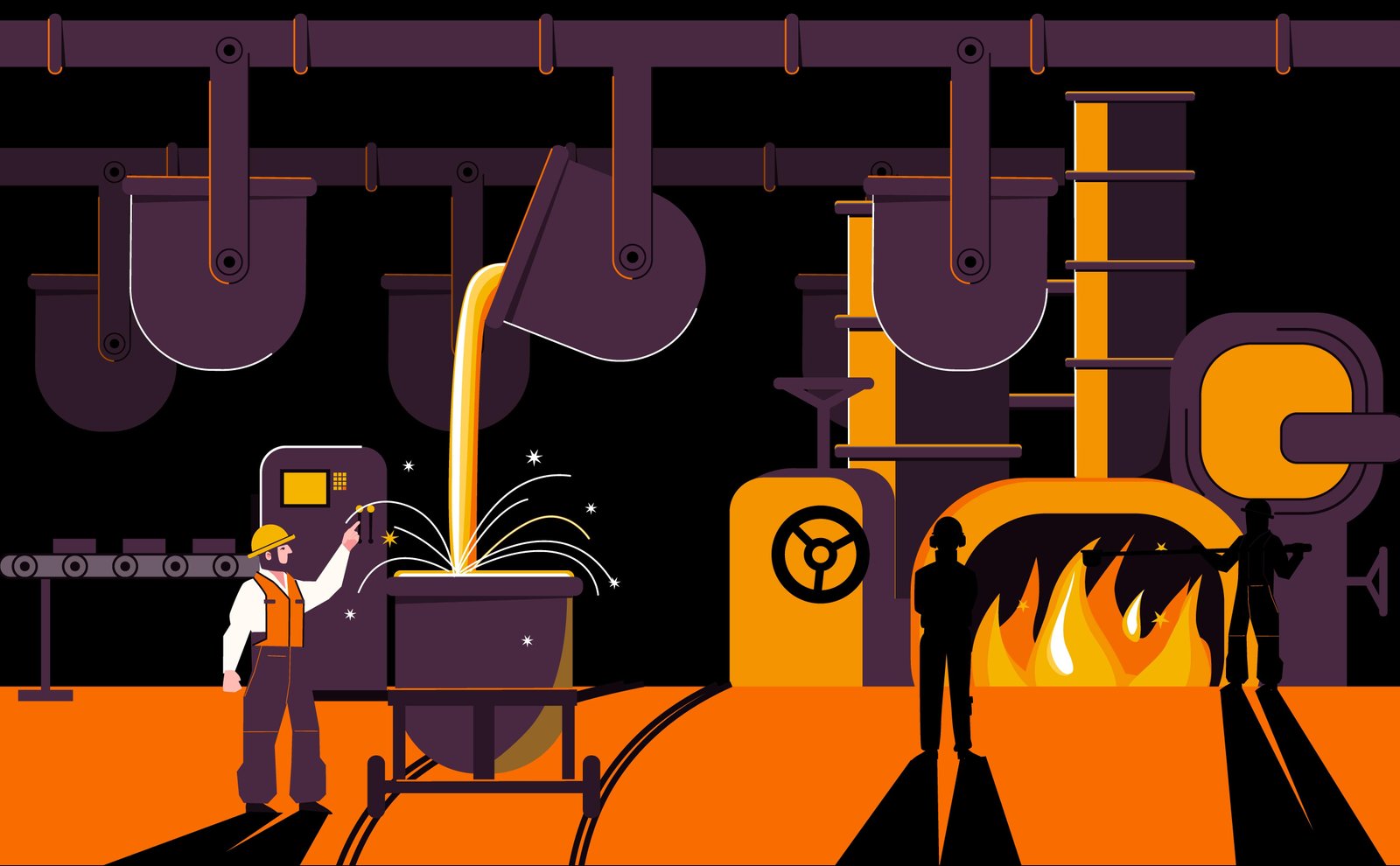
3. The Briquetting Process
The crushed material is fed into a high-pressure briquetting machine. The natural lignin within the biomass acts as a glue, bonding the particles together to form a solid, cylindrical briquette under immense pressure and heat.
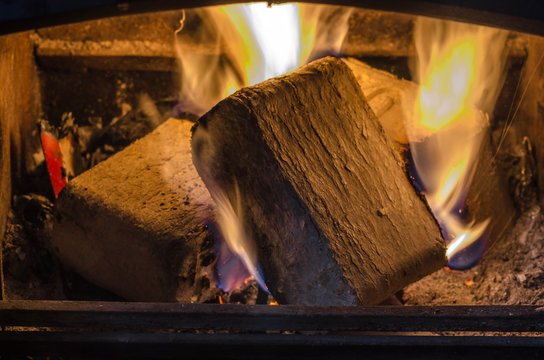
4. Cooling and Final Product
After being formed, the briquettes are cooled and dried to a low moisture content. This final step ensures they are hard, stable, and ready to be used as a high-efficiency fuel source, offering a clean burn.
Why Are Briquettes So Useful?
Beyond being an eco-friendly option, briquettes offer significant advantages for both industrial and domestic use.
High Energy Density
Their high density means they burn longer and more efficiently than raw biomass, producing more heat per unit of volume. This makes them ideal for boilers and industrial furnaces.
Environmentally Friendly
Made from renewable agricultural waste, briquettes are a carbon-neutral fuel source. Their use helps reduce reliance on fossil fuels and minimizes deforestation.
Economical Solution
As a cost-effective alternative to coal, wood, or other fuels, briquettes help businesses and individuals save on energy costs while promoting a sustainable practice.